How to Choose the Best Shower Head With Hose for Your Bathroom Needs?
Choosing the right shower head with hose can significantly enhance your bathroom experience. The right model can offer both convenience and value. Many styles and features are available, making the decision feel overwhelming.
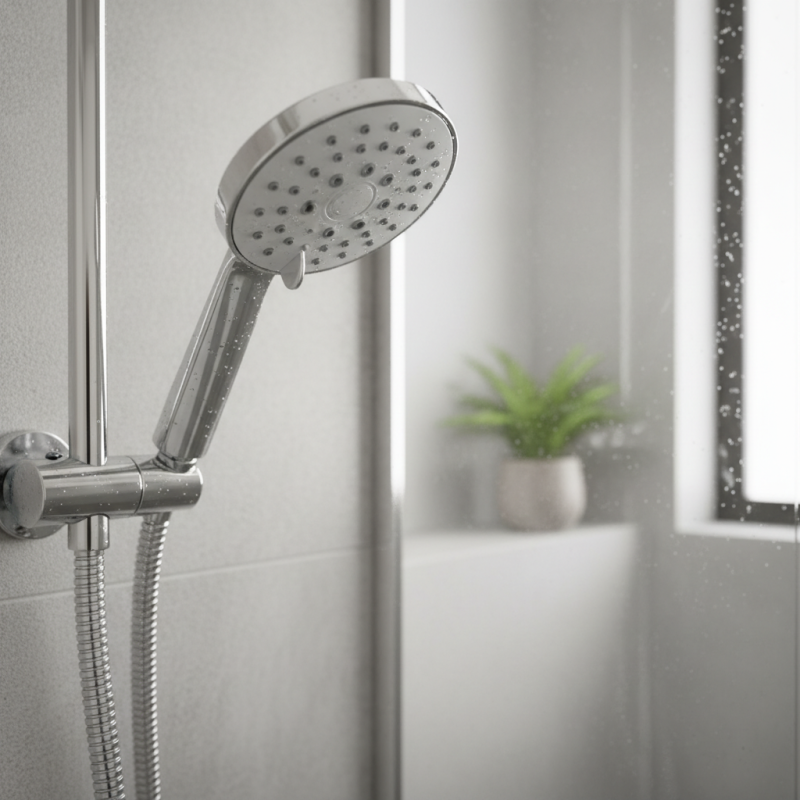
A shower head with hose allows for flexibility. You can easily direct water where you need it. This is especially useful when bathing children or pets. Consider the length of the hose, as it affects maneuverability. A longer hose provides better reach, but may be harder to store or manage.
Features like adjustable spray settings can also improve your experience. You may prefer a gentle mist or a strong spray. It’s essential to think about your priorities. While aesthetics matter, practical aspects should not be overlooked. Reflect on your daily needs. A simple selection can change how you approach your shower routine.
Understanding the Different Types of Shower Heads with Hose
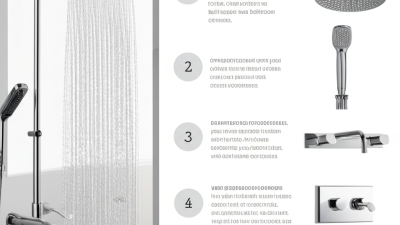
When choosing a shower head with a hose, understanding the different types is crucial. Handheld shower heads are popular for their flexibility. They allow users to direct water where it’s needed, facilitating easier rinsing and cleaning. According to a recent industry report, over 40% of consumers prefer handheld models due to their versatility.
Wall-mounted shower heads remain a traditional option. They are often fixed in place, providing a consistent water flow. Research suggests that about 30% of people favor these for their simplicity and low maintenance. However, they lack the flexibility of handheld models. This can be a downside for those with limited mobility.
Rain shower heads offer a different experience. They simulate the sensation of rainfall, providing a relaxing shower. Yet, they typically require a larger space. Not all bathrooms can accommodate this design. While they’re aesthetically pleasing, functionality should be the true focus. It’s essential to balance your bathroom needs with the design elements you desire.
How to Choose the Best Shower Head With Hose for Your Bathroom Needs?
| Type of Shower Head |
Material |
Hose Length |
Water Pressure Compatibility |
Adjustable Spray Settings |
| Handheld Shower Head |
Plastic/Stainless Steel |
59 inches |
Low to High Pressure |
Yes |
| Fixed Shower Head |
Chrome/Brass |
Not Applicable |
Medium to High Pressure |
Limited |
| Rain Shower Head |
Stainless Steel/ABS |
Not Applicable |
Medium to High Pressure |
Yes |
| Dual Shower Head |
Brass/Plastic |
69 inches |
Low to High Pressure |
Yes |
| Massage Shower Head |
ABS/Chrome |
60 inches |
Medium Pressure |
Yes |
Factors to Consider When Choosing a Shower Head with Hose
Choosing the right shower head with a hose can significantly enhance your bathing experience. There are several factors to consider. Start with the hose length. A longer hose provides better flexibility. It allows for easier rinsing and cleaning. However, it may tangle more easily. Think about where you’ll install it. A shorter hose could be better for compact spaces.
Water pressure is another important element. Some models work well with low pressure, while others might not. You might face challenges if your water pressure is inconsistent. Moreover, consider the spray settings. Different settings provide varied experiences. Do you want a gentle mist or a powerful spray? Recognize that not all shower heads deliver quality across all settings.
Material also matters. Stainless steel is robust, but plastic options are lighter and often cheaper. Balance durability with your budget. Aesthetic appeal should not be ignored. The finish should match your bathroom decor. But remember, looks aren't everything. A beautiful shower head might not perform well over time. It's crucial to weigh design against functionality to avoid future regrets.
Shower Head Choices: Key Factors Considered
Evaluating Shower Head Hose Length and Flexibility
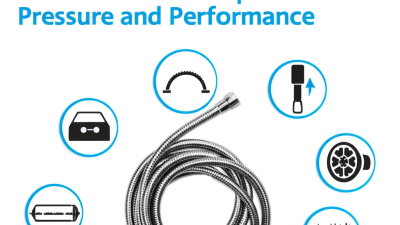
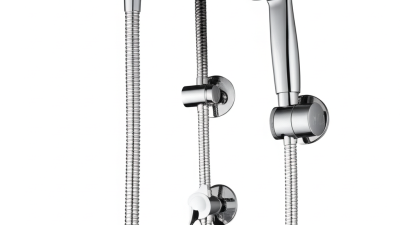
When selecting a shower head with a hose, consider the length and flexibility of the hose. A longer hose can provide more reach, making it easier to rinse off or clean your shower. Flexible hoses are often more user-friendly. They can bend and twist, allowing for various angles and positions. This versatility can be helpful for users of all heights.
However, keep in mind that not all longer hoses maintain durability. Some may kink or tangle, which can lead to frustrations during your shower. Checking the materials is essential. Stainless steel or silicone typically offers better resistance to wear and tear. Additionally, if you have a smaller bathroom, a longer hose may clutter your space. It's important to strike a balance between functionality and maintaining a tidy appearance.
Consider your specific needs and any mobility challenges. A flexible hose can help users who need more control while bathing. However, you might find that a more rigid hose feels sturdier. Experiment with different options to see what suits you best. Ultimately, finding the right hose length and flexibility can greatly enhance your shower experience.
Assessing Water Pressure and Flow Rate for Shower Heads
When selecting a shower head with a hose, assessing water pressure and flow rate is essential. Water pressure is typically measured in pounds per square inch (PSI). Most homes have a water pressure range from 40 to 60 PSI. However, many shower heads require a minimum of 30 PSI to function effectively. Choosing a shower head that operates well within your home's water pressure will enhance your showering experience.
Flow rate, expressed in gallons per minute (GPM), is another critical factor. Standard shower heads allow a maximum flow rate of 2.5 GPM. The American Society of Mechanical Engineers (ASME) recommends keeping flow rates under 2.0 GPM for efficiency. Lower flow rates save water and energy but might reduce the strength of the spray. If your water pressure is low, a shower head designed for lower flow rates can result in a disappointing experience.
Consider the balance between flow rate and pressure. If the pressure is high, a 2.5 GPM shower head may provide a refreshing shower. Conversely, if you have low pressure, a high flow rate may lead to inadequate performance. Sometimes, people overlook these factors, leading to frustration. Remember, a little research on your plumbing can pay off in a better shower experience.
Tips for Installation and Maintenance of Shower Heads with Hose
When choosing a shower head with a hose, installation and maintenance are key aspects. It's essential to ensure proper installation to avoid leaks. According to a recent report, nearly 25% of homeowners face issues due to incorrect installation. Make sure the hose is securely attached to both the shower arm and the shower head. Use plumbing tape on the threads to enhance the seal.
For maintenance, regular cleaning can prolong the life of your shower head. Mineral buildup can occur over time. Soak the head in vinegar for a few hours to dissolve deposits. Wipe it down with a soft cloth afterward. Industry data suggests that routine cleaning can reduce flow issues by up to 30%.
Check the flexibility of the hose as well. A kinked hose can impact water flow and pressure. Regularly assess the hose for any signs of wear and tear. Replace it if you notice cracks or leaks. These small but impactful choices will make a significant difference in your shower experience.