How to Choose the Best Shower Set Faucets for Your Bathroom?
Choosing the right Shower Set Faucets is essential for any bathroom upgrade. The perfect faucet can enhance both functionality and aesthetics. When selecting your ideal set, consider style, material, and features.
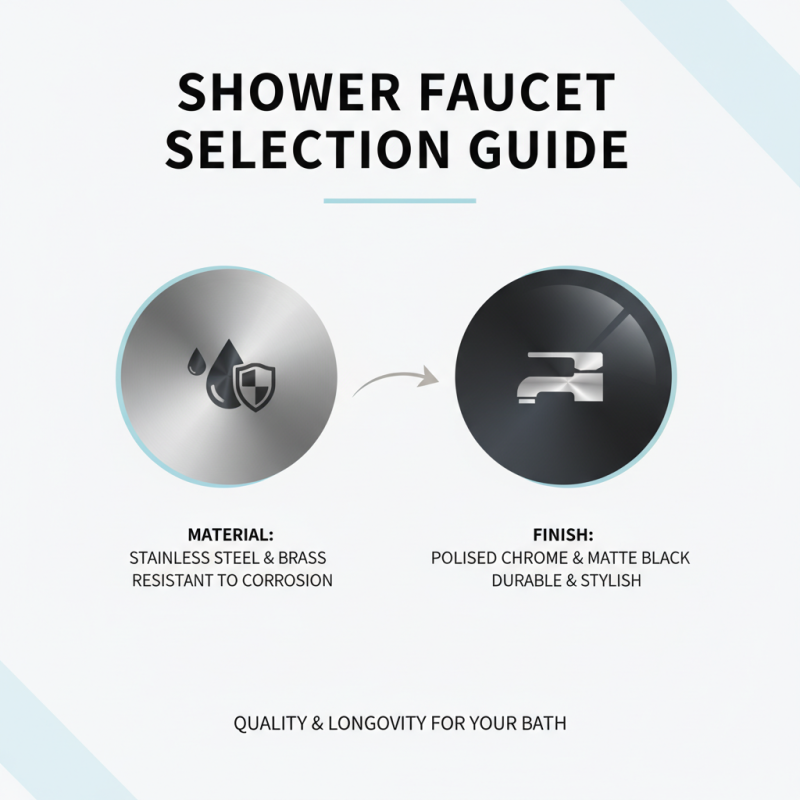
Different designs cater to various tastes. Sleek modern finishes may suit contemporary spaces. Meanwhile, vintage styles can add charm to classic interiors. Quality materials ensure durability and long-lasting performance. Brass and stainless steel are reliable choices.
Reflect on your daily needs. Do you prefer a handheld showerhead or a fixed one? Consider water efficiency options too. They are good for the environment and can save on your water bill. Balancing personal preference with practical considerations creates the best result. Each detail matters in finding Shower Set Faucets that truly fit your bathroom.
Understanding Shower Set Faucet Types: A Comprehensive Overview
When choosing the right shower set faucet, understanding the types available is essential. There are three main types: single-handle, double-handle, and thermostatic faucets. Single-handle models are popular for their ease of use. They allow quick temperature adjustments with one hand. According to a report by the Kitchen and Bath Association, about 48% of homeowners prefer this style for its simplicity.
Double-handle faucets offer a classic look. They usually provide better temperature control. However, they may require more effort while adjusting. Thermostatic faucets are gaining traction as they maintain consistent water temperature. Research indicates a 30% increase in demand for thermostatic options over the past five years. But, installation can be more complex and might require professional help.
Before purchasing, consider the material and finish of the faucet. Brass and stainless steel are durable but can be costly. The finish can affect maintenance; chrome is easier to clean than matte options. Some users find it hard to match finishes with other bathroom fixtures. Always take time to research and compare options to ensure you make the best decision for your space.
Shower Set Faucet Types Comparison
This chart compares the popularity of different types of shower set faucets based on market data. The data represents the percentage of preference among consumers for each type.
Material Quality and Durability: Impact on Long-Term Performance
When choosing shower set faucets, material quality is crucial. Brass and stainless steel are often considered top choices due to their durability. According to industry reports, brass faucets can last over 15 years with proper maintenance, while plastic options may only last a few years. The impact of material on longevity cannot be overlooked. Corrosion can undermine performance, leading to leaks and costly repairs.
Tip: Always check for the type of finish on your faucets. PVD finishes are known for their durability and resistance to scratching and tarnishing.
Another factor to consider is the weight of the faucet. Heavier faucets usually indicate higher quality materials. Lightweight fixtures can be more susceptible to wear and tear over time. Regularly inspect your faucets for signs of deterioration. Small leaks can lead to larger problems if left unaddressed.
Tip: Don’t overlook warranty details. A good warranty indicates confidence in the product's longevity. It can save you money in the long run. Choosing the right material is about balancing aesthetics and longevity.
How to Choose the Best Shower Set Faucets for Your Bathroom? - Material Quality and Durability: Impact on Long-Term Performance
| Material |
Durability Rating (Years) |
Resistance to Corrosion |
Maintenance Needs |
Cost (USD) |
| Brass |
15-20 |
High |
Low |
150-250 |
| Stainless Steel |
20-30 |
Very High |
Very Low |
200-300 |
| Plastic (ABS) |
5-10 |
Moderate |
Medium |
50-100 |
| Zinc Alloy |
10-15 |
Moderate |
Medium |
80-150 |
| Copper |
10-25 |
High |
Medium |
120-220 |
Flow Rates and Water Efficiency: Navigating Industry Standards
When choosing shower set faucets, flow rates and water efficiency are critical factors. According to the U.S. Environmental Protection Agency (EPA), an efficient showerhead should have a flow rate of 2.0 gallons per minute (GPM) or lower. This standard helps reduce water usage without compromising the shower experience. However, many older models still operate at 2.5 GPM, leading to unnecessary water waste.
Some reports indicate that switching to low-flow models can save homeowners 2,700 gallons of water annually. This reduction translates to lower utility bills and a smaller environmental footprint. Nevertheless, not all low-flow showerheads offer satisfactory water pressure. Users often express dissatisfaction when the reduced flow affects their comfort. Finding the right balance between efficiency and performance requires careful consideration.
WaterSense certification is another key aspect. Products with this label meet stringent water-saving criteria. They promise a blend of performance and efficiency. However, consumers must be vigilant; not all advertised products meet these standards. Reading reviews and testing water pressure can prevent future regrets. Ultimately, thoughtful selection can enhance both the bathing experience and environmental responsibility.
Design and Aesthetics: Aligning Faucets with Your Bathroom Style
Choosing the right shower set faucets is crucial for your bathroom's overall aesthetic. Consider how the faucet design aligns with your existing decor. Traditional bathrooms often benefit from classic, ornate designs. Sleek, modern faucets work well in contemporary spaces. Take time to envision how each option will look in your space.
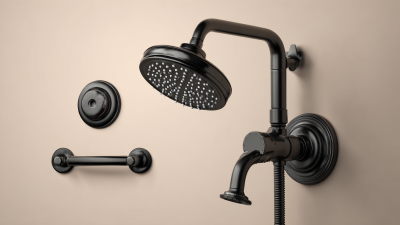
Color and finish matter too. Chrome offers a shiny, reflective quality. Matte finishes provide a more understated elegance. Mixing finishes can create a unique look, but it’s easy to miss the mark. Be mindful of how different colors interact with tiles and cabinetry. Lay out samples to visualize combinations.
Don’t overlook the shape and size. Oversized faucets may dominate a small space. Conversely, too small a faucet can feel inadequate. Finding balance is key. Sometimes, it’s an intuitive process. Trust your instincts and be open to reconsideration. With the right faucet, you can transform your bathroom into an inviting oasis.